SPIKEMARLOW
RIGHT TO REPAIR
The Problem: Disposable Consumer Electronics
This project explored the growing issue of electronic waste and the increasing difficulty consumers face when attempting to repair everyday products. Many modern electronic devices are designed with limited repairability, often requiring specialist tools, proprietary components or complete product replacement when individual parts fail. The project investigated how product design could support the growing Right to Repair movement and encourage longer product lifecycles.



The Solution: Designing for Repairability
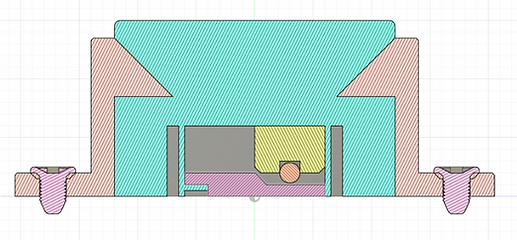
Using the findings from the research phase, I developed a modular computer mouse designed around repairability and product longevity. Every major component was considered from the perspective of replacement, maintenance and future upgrades, allowing users to easily access and replace worn or damaged parts without specialist knowledge or tools. The project focused on creating a product that balanced functionality, manufacturability and sustainable design principles.


Final Product & Outcome


